About Hunza Valley
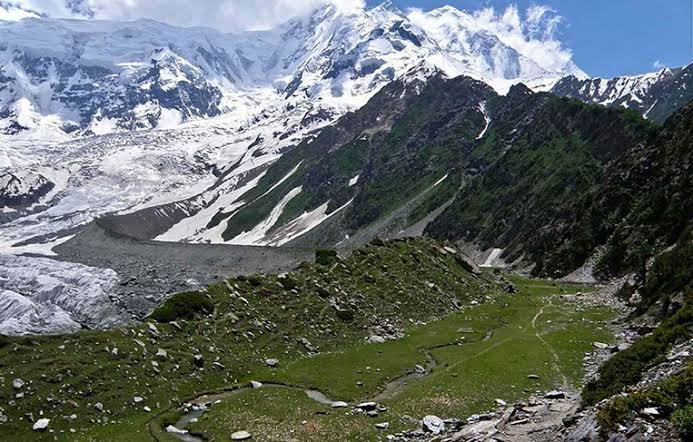
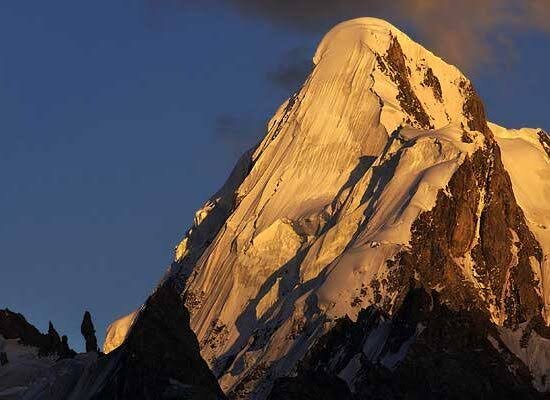
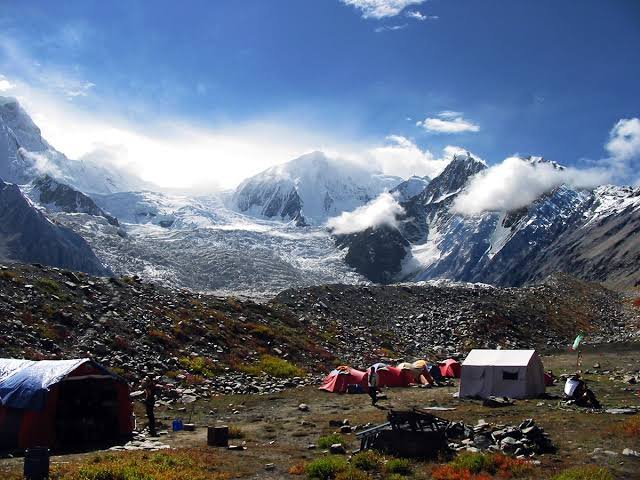
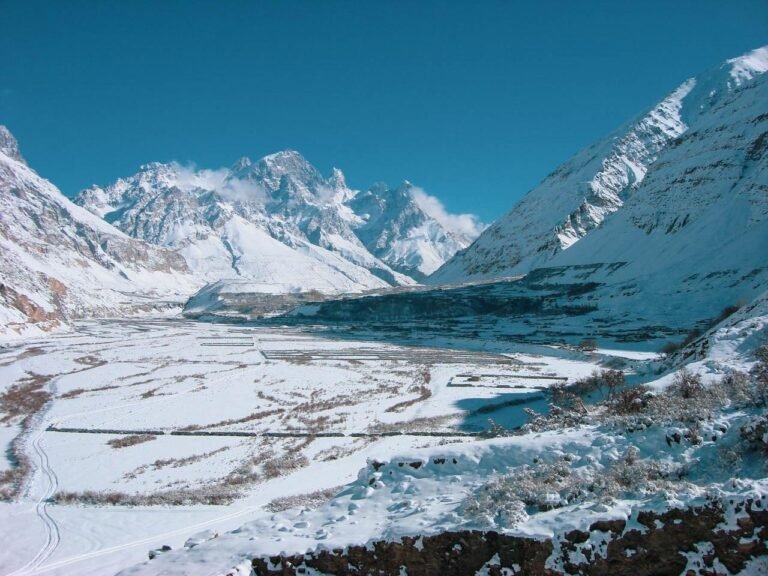
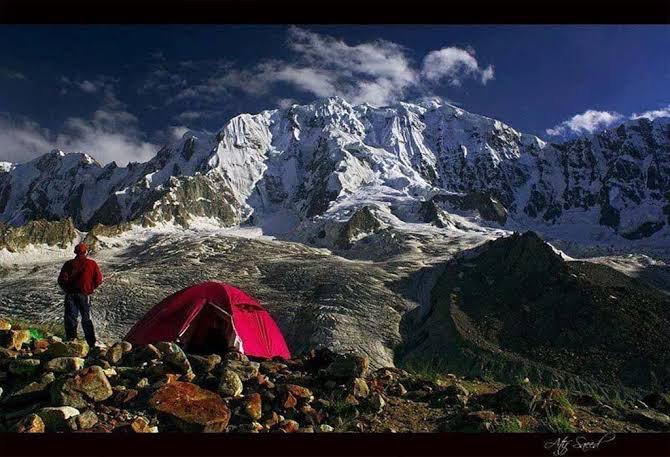
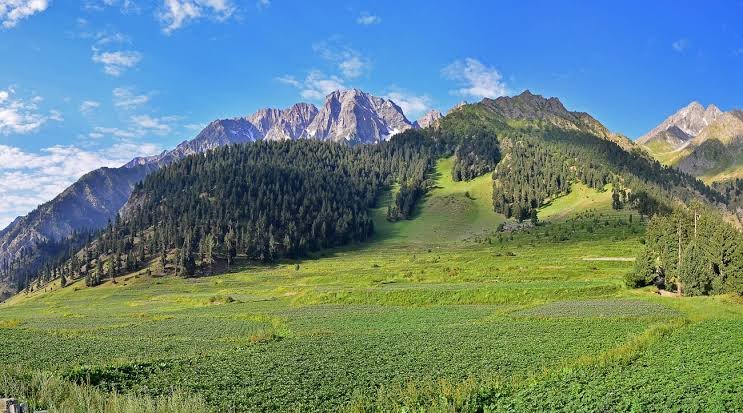
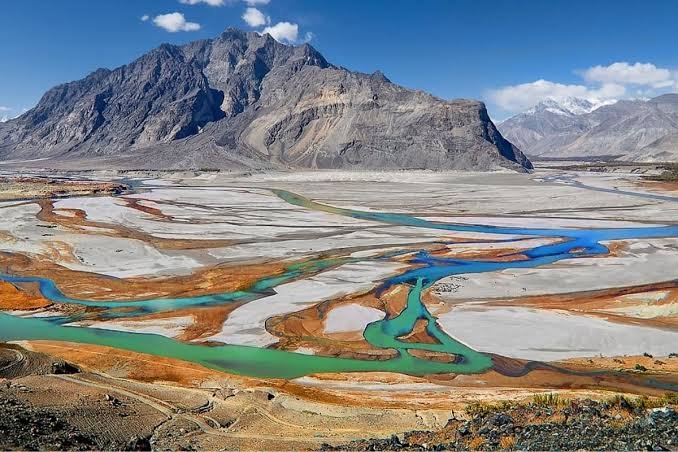
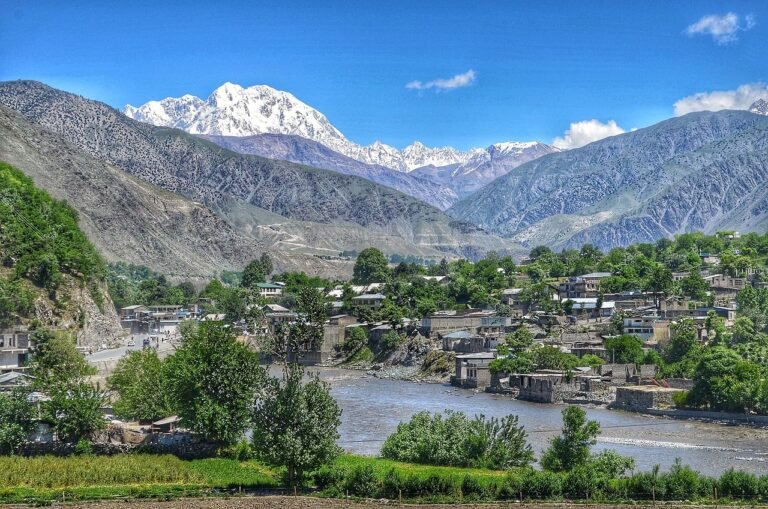
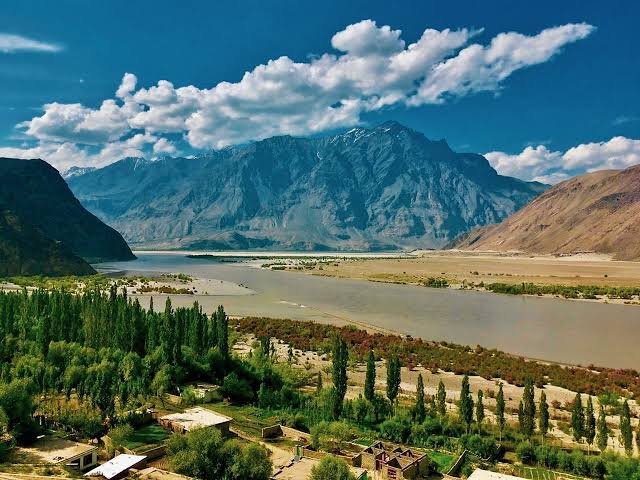
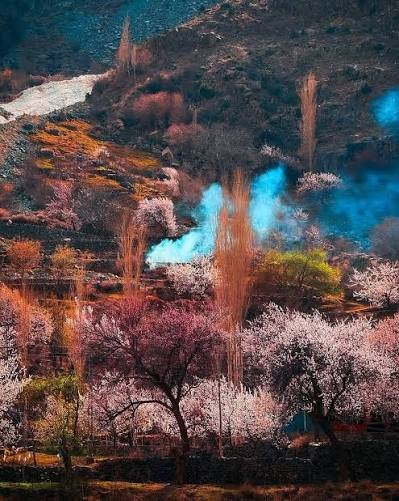
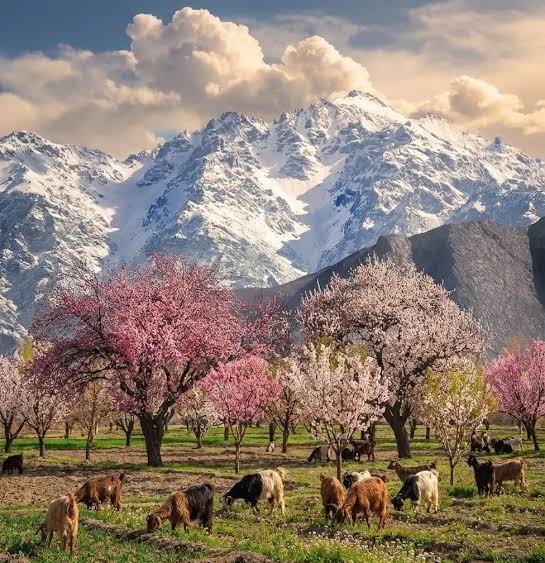
If you ask a Pakistani to picture paradise, most of them will picture Hunza. Apricot orchards, white forts on the hill, and above it all the pyramid of Rakaposhi. The valley is genuinely beautiful in every season, but it is the small things people fall in love with - the taste of sun-dried apricots, apricot tea on a rooftop, an old man in Karimabad who insists on showing you his garden.
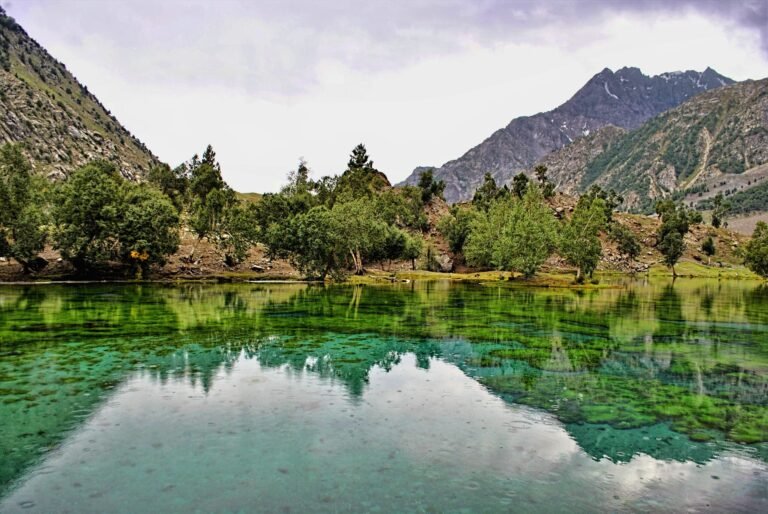
Most days here follow an easy rhythm. Mornings are for Baltit Fort, which has watched over the valley for seven hundred years, or for the stone lanes of Ganish, the oldest village in Hunza. Afternoons are for Attabad Lake, that impossible turquoise that appeared almost overnight after the 2010 landslide, and for the wobbly little drama of crossing Hussaini suspension bridge. Sunsets are for Duiker, when the whole valley turns pink and nobody says anything for a while.
Keep a day for the north: the cathedral spires of Passu cones, the glacier viewpoints, and Khunjerab Pass, where the road simply ends at the Chinese border and the yaks could not care less about borders at all.
Come in spring for the blossom, in autumn for the gold, in summer for everything in between. And wherever you go, somebody will invite you in for tea. That is not a tourism thing here. It is just what people do.
Tours in Hunza Valley